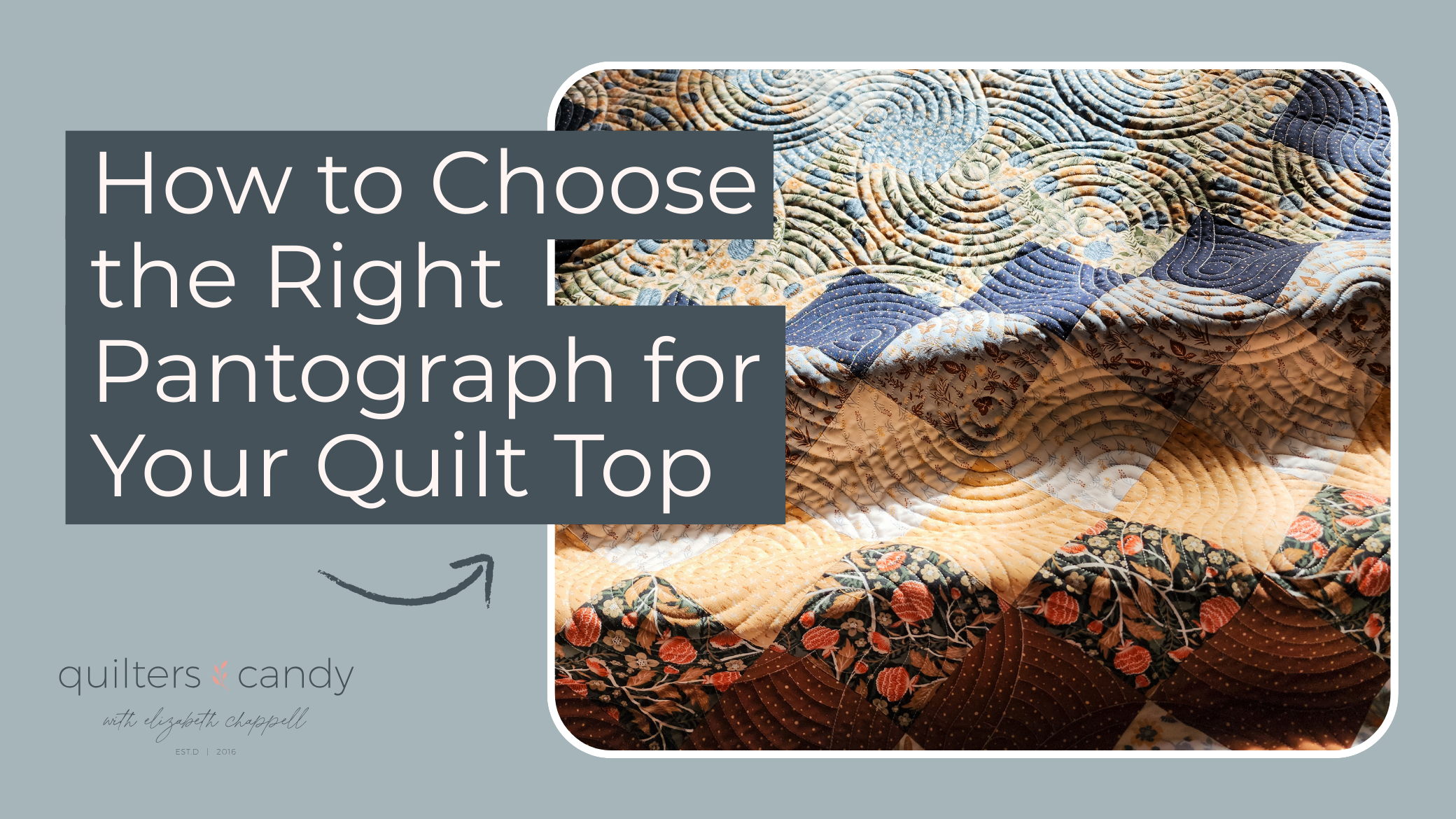
How to Choose the Right Pantograph for Your Quilt Top (Longarm Quilting Tips)

January 26, 2026

How to Choose the Right Pantograph for Your Quilt Top (Longarm Quilting Tips)
Hi, I’m Sandy, the maker, designer, and longarm quilter behind Thai Charm LLC.

One of the questions I hear most often as a longarm quilter is, “How do you know which pantograph to use?”

If you’ve ever stood in front of a finished quilt top—absolutely in love with your fabrics—and then felt stuck when it came time to quilt it, you are not alone. Choosing a pantograph can feel overwhelming, especially when there are so many beautiful options available.

Over the years, I’ve learned that choosing the right pantograph is less about following rules and more about learning how to read your quilt top. Today, I’m walking you through how I approach pantograph selection step by step, in a way that feels approachable and confidence-boosting.

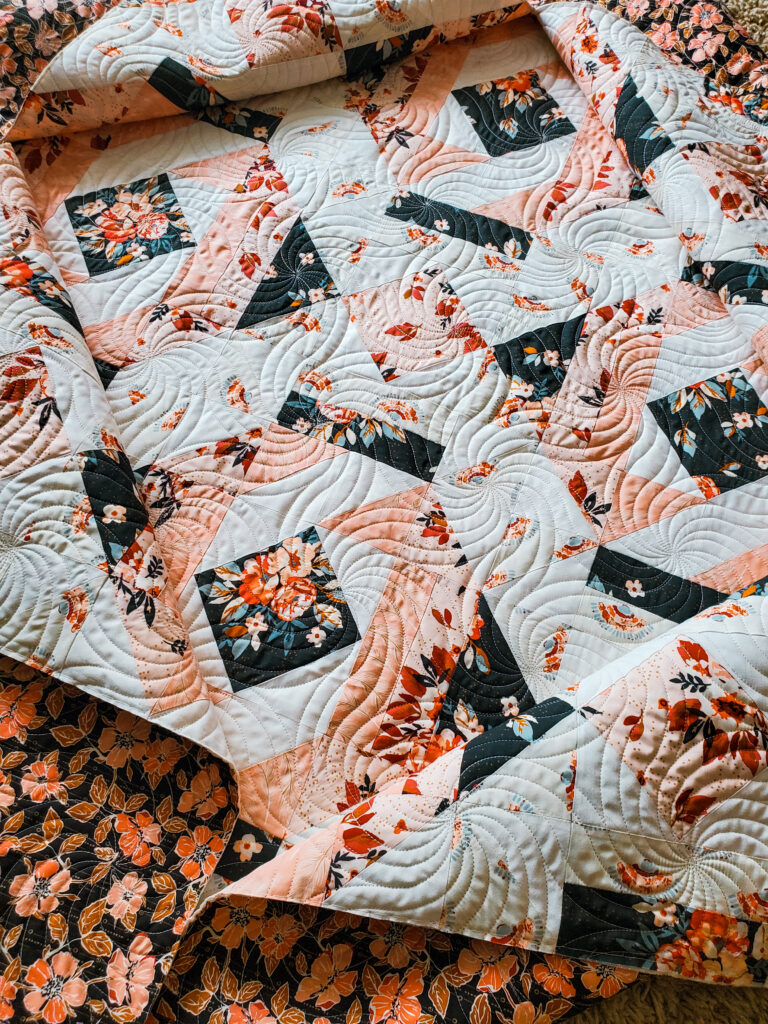
Longarm quilt showing allover pantograph quilting to demonstrate how to choose the right pantograph for a quilt top

Start With the Quilt Top, Not the Pantograph

Before I even open my pantograph library, I spend time really looking at the quilt top itself.

I ask myself a few simple questions:

  • Is this quilt bold or soft?

  • Does the quilt top already have strong movement?

  • Are the fabrics busy, or is there a lot of negative space?

Your quilt top will tell you what it needs if you slow down and really look at it.

A highly pieced quilt with lots of small units often benefits from a simpler pantograph that adds texture without competing for attention. On the other hand, a quilt with large blocks or open areas can handle a more detailed or flowing design.

Fade quilt finished with Sunrise Skateland pantograph, showing how simple quilting enhances a highly pieced quilt top

Match the Mood of the Quilt

Every quilt has a personality.

A cozy, homey quilt might call for:

  • Soft curls

  • Gentle loops

  • Organic, flowing lines

A modern or graphic quilt often feels better with:

  • Straight lines

  • Geometric designs

  • Repeating motifs with structure

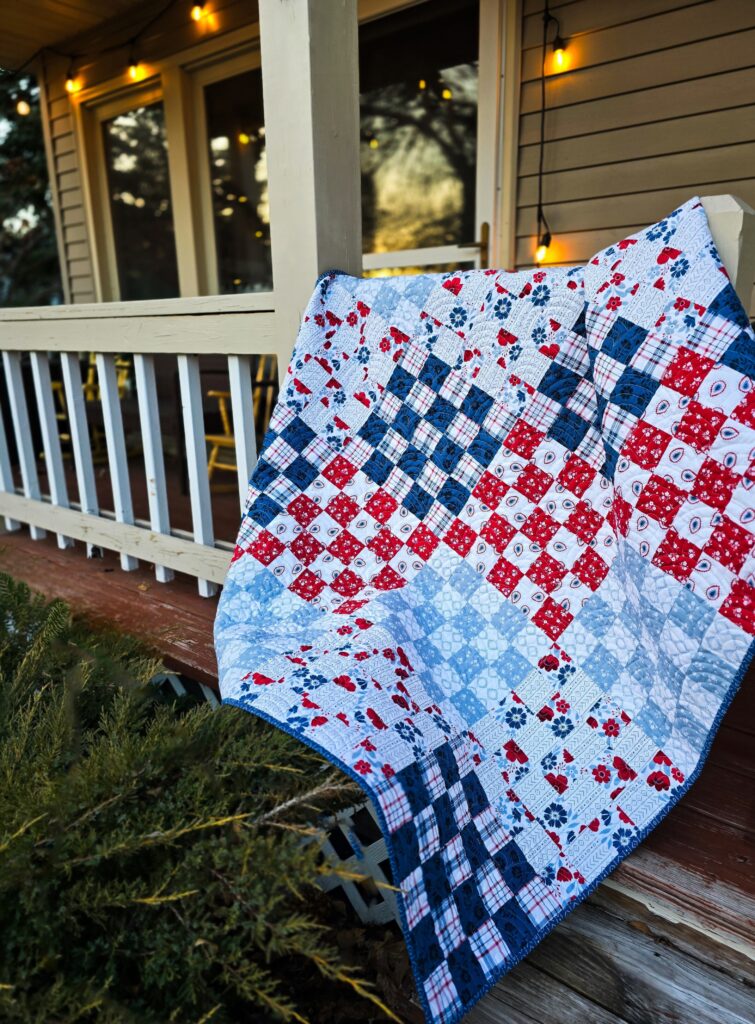
Meadow Patch quilt quilted with Scandi Snowflake pantograph, demonstrating how quilting design can match the mood of a quilt

Seasonal fabrics can guide this decision, too. When I’m working with Christmas fabrics or winter-themed prints, I often lean into pantographs that echo that feeling—subtle snowflakes, frosty motifs, or wintery allover designs. They add a quiet sense of season without overpowering the quilt top.

When the quilting style matches the mood of the quilt, everything feels intentional—even if the pantograph itself is simple.

hink About Scale and Density

Scale is one of the most important—and often overlooked—parts of pantograph selection.

A pantograph that looks perfect on screen can feel completely different once it’s stitched across a full quilt. Because of that, I always consider:

  • The overall size of the quilt

  • How dense the piecing already feels

  • Whether the quilt will be used daily or displayed

For everyday quilts, I usually choose a more open pantograph. This helps keep the quilt soft, flexible, and cozy—exactly what I want for something meant to be used and loved.

Twilight quilt with Mike’s Swoosh pantograph, showing medium-scale quilting for everyday quilt use

Denser quilting can be stunning, especially on quilts with lots of prints or visual movement, but it does add stiffness. That can be a design choice rather than a drawback, depending on how you plan to use the quilt.

There’s no wrong answer here—just different outcomes.

Trust Simple Designs More Than You Think

One of the biggest lessons I’ve learned as a longarm quilter is that simple pantographs are incredibly powerful.

It can be tempting to choose something very detailed because it feels special, but some of the most loved quilts I’ve quilted use:

  • Basic meanders

  • Gentle waves

  • Soft allover curves

  • Classic designs like Baptist Fan

Heirloom Harmony quilt quilted with Baptist Fan pantograph, showing a classic and timeless quilting design
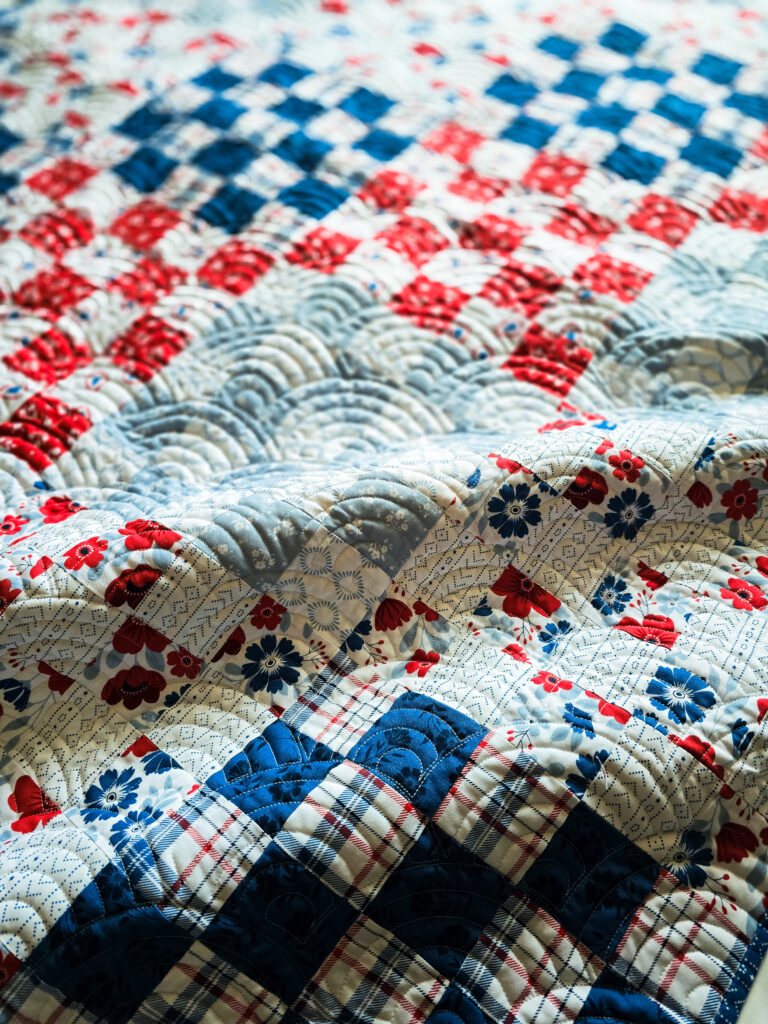
Close-up of Baptist Fan pantograph quilting showing texture and movement on a traditional quilt

These designs age beautifully, work with almost any fabric style, and allow the quilt top to remain the star of the show. If you’re ever unsure, choosing something simple is almost always a safe—and beautiful—option.

When in Doubt, Step Away and Come Back

If I’m stuck between a few options, I step away.

I give myself time, look at the quilt again later, and often the right choice becomes obvious. Quilting doesn’t need to be rushed, and pantograph selection is part of the creative process—not a hurdle to get past.

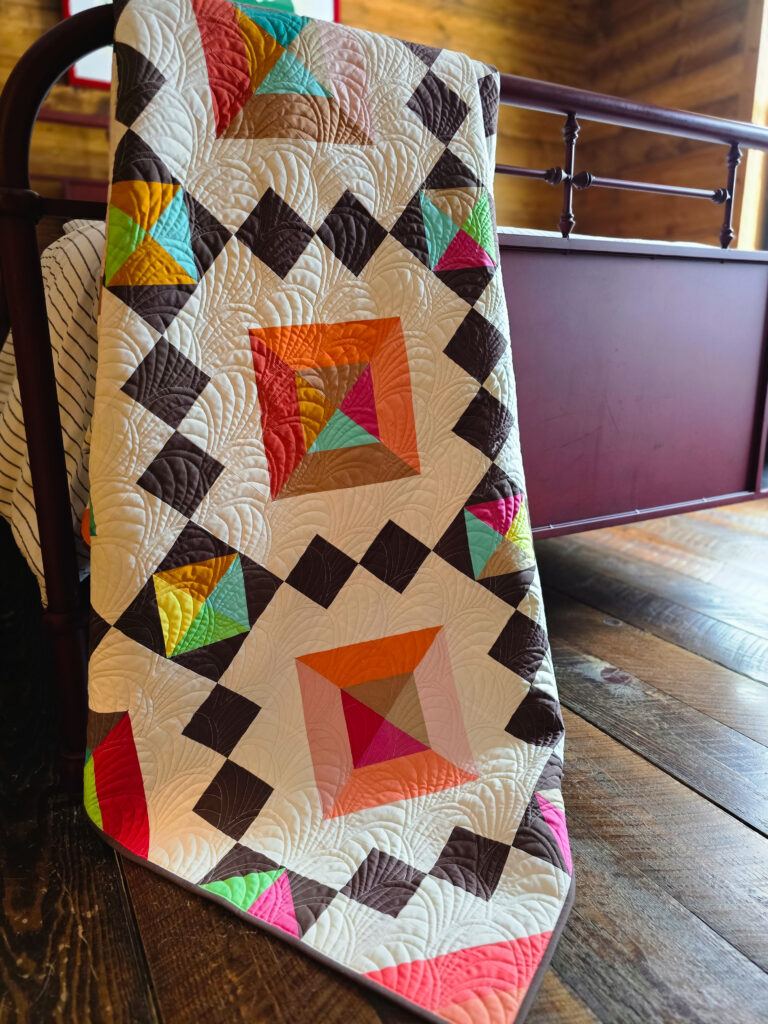
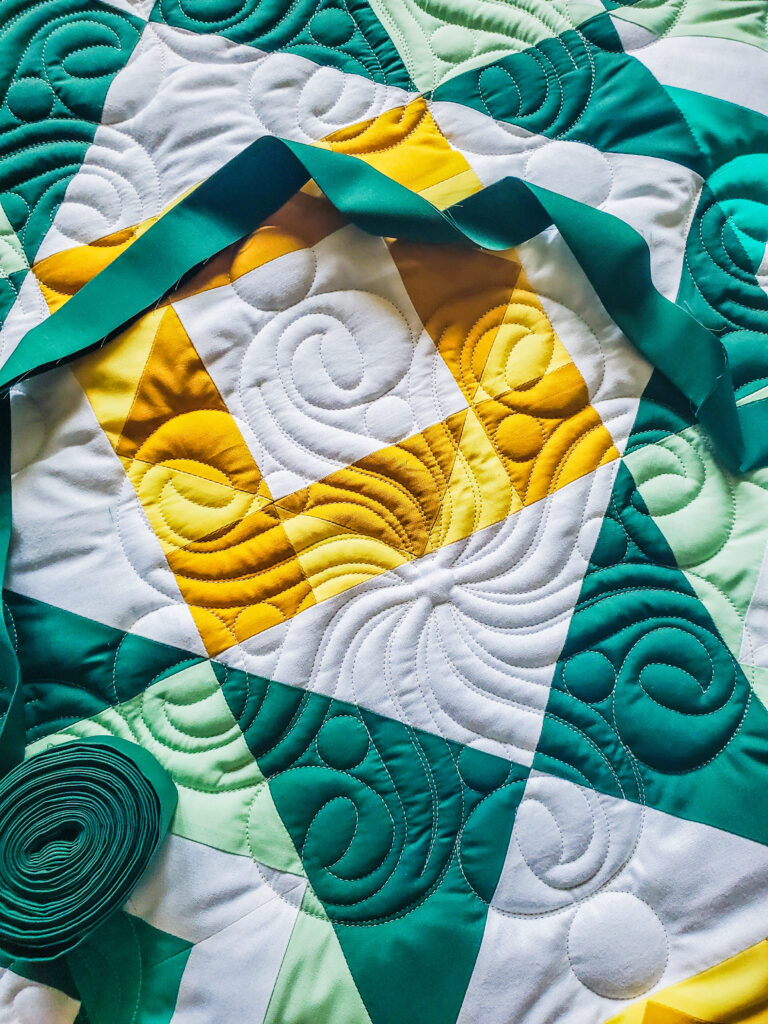
Stepping Stones quilt from Patchwork Companion book quilted with Behold pantograph, showing balanced allover quilting

Final Thoughts

Choosing a pantograph doesn’t have to feel intimidating. With practice, you’ll start to see patterns, fabrics, and quilting designs as parts of the same conversation.

Your quilt already has a voice. The pantograph is simply there to support it.

I hope this gives you a clearer, more confident starting point the next time you’re choosing quilting for a finished quilt top. And if you ever find yourself stuck, know that even experienced quilters pause and second-guess sometimes.

That’s part of the joy of making something by hand.

MORE POSTS LIKE THIS

If you enjoyed this blog post tutorial, you’re going to love these other popular tips and tutorials:

  1. Quilting Threads Explained
  2. All About Long Arm Quilting
  3. Preparing Your Quilt for Long Arm Quilting

or SEARCH THESE

Popular categories

Craft to Career
Digital Downloads
Patterns
Podcast
Quilt Alongs
Quilt Questions
Tutorials
back to the top

Copyright 2024 Quilters Candy  |  Terms & Conditions