How to Label and Document Your Quilts

December 5, 2025

Labeling and documenting your quilts

HI! I’m Sarah LoCascio, owner of Caravan Quilts, a curated shop offering antique and vintage quilts online. For the past five years I’ve been building a quilt-obsessed community through social media with a shared passion for quilt collection,quilt history, quilt study, and especially quilt preservation. 

I’m thrilled to be here with Quilter’s Candy to talk about the importance of labeling and documenting your quilts!

The most FAQ when it comes to quilts is always: “Does this quilt come with any provenance??”

Through my work with 19th and early 20th century American quilts I’ve handled thousands of quilts. Can you guess the one thing that’s usually missing when I acquire these incredible textiles? The name of the quiltmaker. Nothing is more heartbreaking than holding a gorgeous quilt and wondering “who made this, and when, and why!?”  Including these details on a quilt not only adds value, it also provides us with crucial context and meaning.

While quiltmaking anonymity may have improved slightly over the past few decades, recent polls show that only about HALF of contemporary quiltmakers are labeling their quilts!

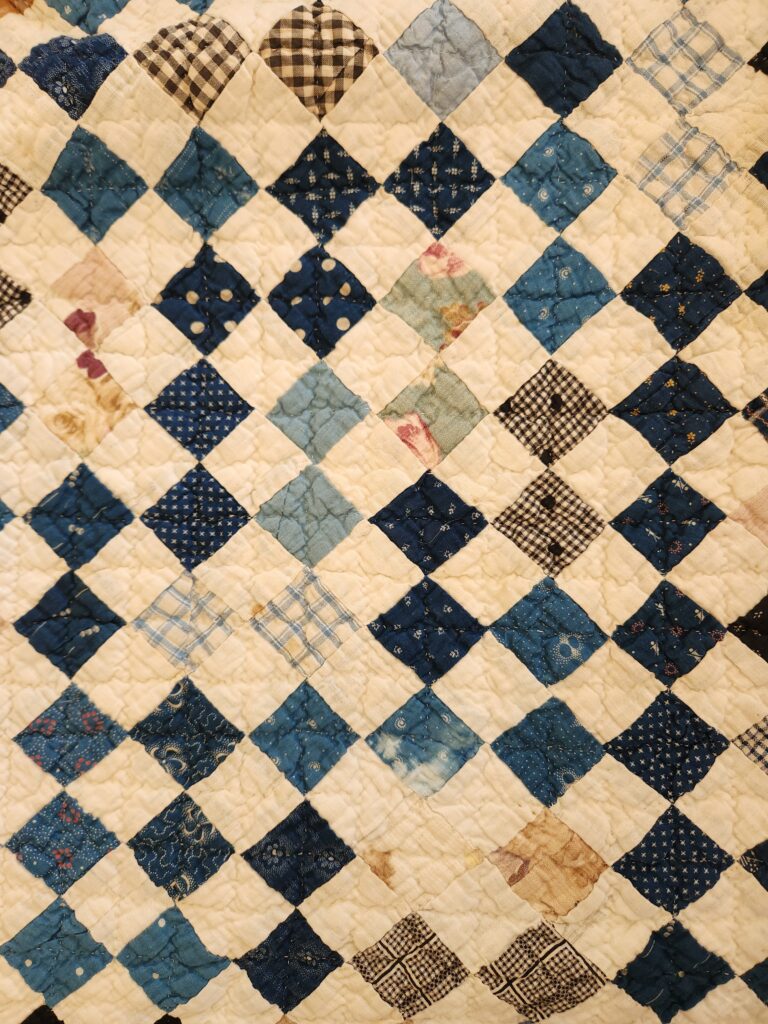
Top of the quilt
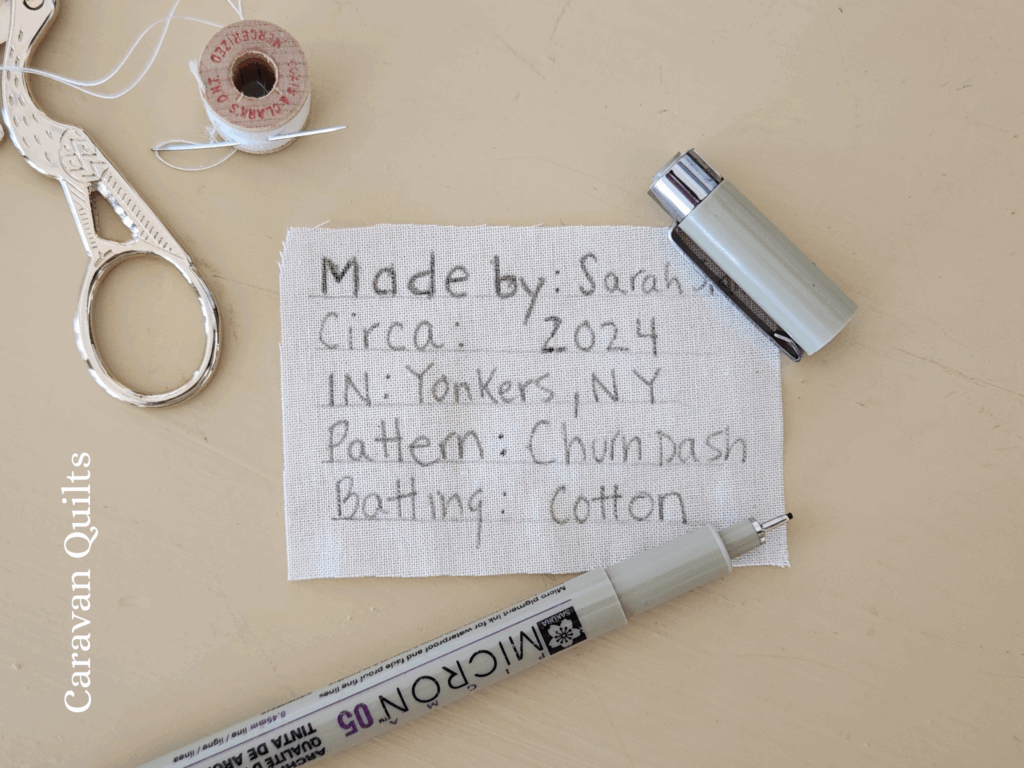
Hand Stitched Quilt Label

Why Labeling & Documenting Your Quilt Should Matter to Every Quiltmaker:

  •  Including your information on a quilt adds value to your work.
  • Your quilts are an important part of quilt heritage.
  • Documenting your quilt provides valuable insight into your life as the quiltmaker.
  • Documentation safeguards personal and cultural stories for future generations.
  • When properly documented, your quilt can help to support current and future quilt research!
labeling your quilt

3 Steps to Documenting Your Quilt:

  1. Labeling

Physically labeling your quilt ensures that the information you are including stays with the quilt. This can be achieved either by hand written or embroidery inscriptions directly on the quilt, or by applying a separate cloth label.

You can create your own label or you can purchase quilt labels, like this kit created by Quilt Alliance or a ready-made cloth label.

TIP: Use an indelible, laundry-safe, archival pen or embroidery for long lasting labeling. 

  1. Paper Documentation

Quilt journaling is a great way to document your quilt and can be done hand-in-hand with labeling. Quilt journaling can provide more indepth information about you as the quiltmaker, about the purpose of the quilt, the location, the longarmer’s name and/or any other contextual details you’d like to include about yourself and the quilt. 

This can be done by printing out forms provided through online resources or you can simply write your information freehand on paper or in a journal.

TIP: Be sure to store all paper documentation with the quilt, I occasionally see older quilts with papers stored in ziploc bags pinned to the quilt itself. This is a simple way to avoid separation if the quilt changes hands.

  1. Digital Documentation: 

Take your documentation step further!

Quilt Alliance and The Quilt Index are two online resources for quilt documentation and indexing.  Via these sites you can do things like utilize standard quilt documentation forms, enter your quilt into public indexes, upload images along with written text, and even participate in interviewing and storytelling as part of your quilt documentation.

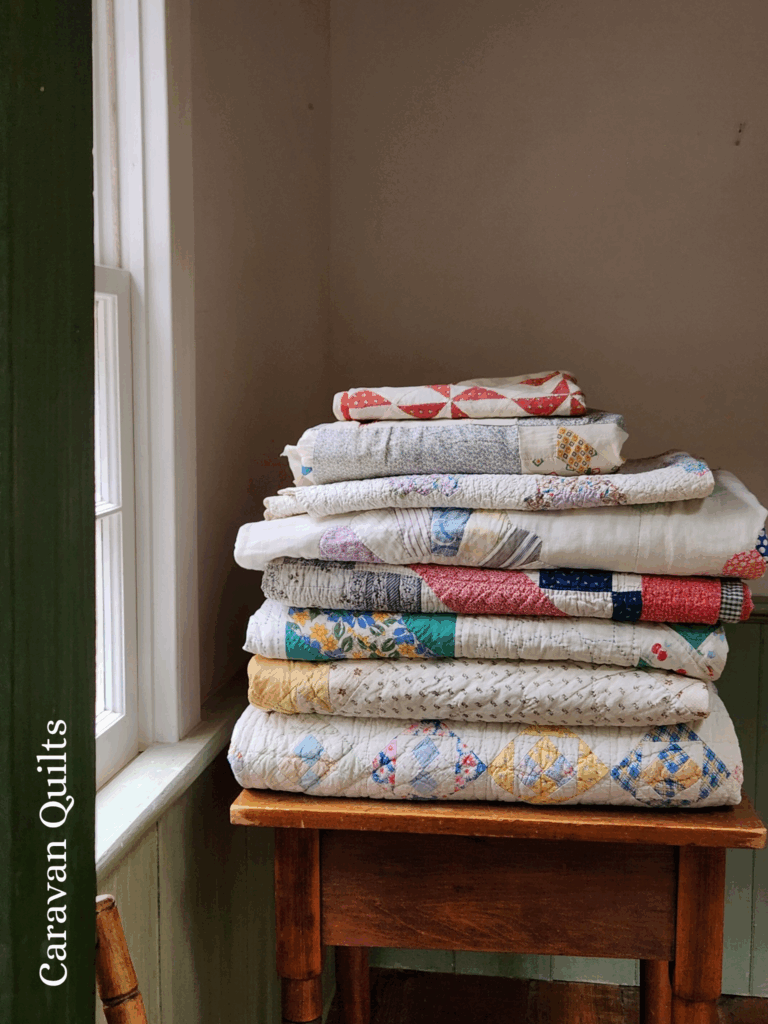
a stack of finished quilts

Take Detailed Photographs

Visual reference is crucial in quilt documentation. It can provide important data for quilt research, as well as ensure preservation and identification of your work should your quilt ever be lost or damaged. Capture both the front and back of the quilt, as well as details like prints, quilting and binding. Don’t be too shy to add a photo of yourself holding your quilt!

TIP: Always photograph your quilt in full, laying/hanging it spread flat to capture the entire piece. Natural lighting ensures the best color-correctness.

Quilt Label Tutorial

Quit documentation can be as simple or as involved as you’d like. Even a simple label with your name and the date can be vital…

What you’ll need to label your quilt at home…

Materials: 

  • Cloth Labels (or a swatch of solid, light colored material for writing on)
  • Laundry-safe, archival ink pen 
  • Camera (Most newer cellphone cameras work great for this purpose. Be sure and save all images externally.) 
  • Internet access for any online quilt documentation resources you may want to utilize.

What to Include On a Quilt Label:

Option 1: Go Small: Your name:

Date:

Option 2: Basic: Made By

Made in (location):

Made circa:

   Pattern:

       Notes: 

Option 3: All about the Quilt:

Made by: Name

Start date:

Completion Date:

Longarmer’s name/location: 

Purpose/Intent for the quilt:

Owner(s):

Materials:( Fabrics, prints, patterns, batting, quilting) 

If you’d like to take your quilt documentation to the next level, or you would prefer assistance documenting your quilt(s), ask your local quilt guild about any current state quilt documentation projects you may be able to participate in. There, volunteers will assist you with documenting and photographing your quilt(s). 

Final Thoughts

By documenting and labeling your quilts, you are not only adding value and ownership to your work, you’re also safeguarding valuable personal and cultural information for future generations! Every quiltmaker is an important part of quilt culture and heritage and your work deserves to be documented.

MORE POSTS LIKE THIS

If you enjoyed this blog post tutorial, you’re going to love these other popular tips and tutorials:

  1. Quilting Ruler Hack: Save Time and Cut More Accurately
  2. How to Make a Rag Quilt
  3. DIY Reverse Appliqué Sweatshirt: Step-by-Step Guide for Beginners

or SEARCH THESE

Popular categories

Craft to Career
Digital Downloads
Patterns
Podcast
Quilt Alongs
Quilt Questions
Tutorials
back to the top

Copyright 2024 Quilters Candy  |  Terms & Conditions